Earth Simulation Laboratorium ESL
Description
The Earth Simulation Laboratory (ESL) is Barcode Architects' large-scale transformation of the Robert J. Van de Graaff laboratory, the former particle accelerator laboratory at Utrecht Science Park (USP), the Netherlands. The new ESL brings the different research groups of the faculty of Geosciences together in one location. It is a dynamic building, where the user can experience whether it is day or evening, whether the sun is shining outside or whether it is raining. The 7.000m² building has a program of various laboratories and research spaces for experimental and physical research, workshops, archive rooms and offices.
The beautiful appearance of the building makes Earth Simulation Laboratory a calling card of the Utrecht Science Park. With an abstract depiction of the Dutch delta landscape, the facade tells the story of the research taking place in the faculty. The meandering lines of the delta have been carved out of the concrete panels that frame the labs and offices and are laid in with polished strips of stainless steel. Through the reflection of sunlight, the image of a flowing water delta emerges. The concrete facade reflects the craftsmanship and innovation that Barcode Architects stands for. These aesthetic panels have been developed specifically for this project by a team of architects and engineers from Barcode Architects and ABT. Pairing concrete and stainless steel is a proven method in civil engineering and bridge construction but was never been applied in Dutch architecture on this scale.
The facade of the Earth Simulation Laboratory is not just aesthetically pleasing but it also functions as a smart technical system ensuring a pleasant indoor climate in all seasons. To ensure this, Barcode Architects adopted a second-skin concept for the facade. In winter, the second facade layer forms a warm, insulating cover around the volume, while in summer the cavity between the two layers allows for a natural air supply, cooling down the building naturally.
The structure of the original Van de Graaff laboratory was severely outdated. Office spaces were dark and low, the view to the outside was limited, the facade did not insulate well and the sun protection functioned suboptimal. Barcode Architects formulated a clear vision for the new ESL—a building that fits the principles of the 21st century. A pleasant environment with healthy working conditions and a comfortable indoor climate that responds to the environment outside.
Barcode Architects has been searching for a way to maximally connect the interior with the dynamic environment. The office workplaces are situated adjacent to the facade, which has been made as transparent as possible with large glass sections. The indoor laboratory spaces are equipped with dome-shaped skylights, so that the user experiences the dynamic outdoor environment within the building, without being bothered by direct sunlight or disturbing shadows. In the work halls, four large windows have been incorporated in the masonry facade, so that users also work in a green environment here.
The new ESL is an architectural highlight for the Utrecht University and the unique facade is a wonderful symbol for the groundbreaking research done by the Faculty of Geosciences.
ABT
The Earth Simulation Laboratory (ESL) is Utrecht University Geosciences faculty’s new research building for experimental physics. It is a radical transformation of the Robert J. van de Graaff building, updating it to host sensitive research equipment and to provide a comfortable and pleasant working environment. The number of different use functions in the 7.000 m2 'small' compact building made the design and construction process extremely complex. Rooms vary from workshops, cooling and freezing cells, storage rooms to laboratories, microscope rooms and offices. All with their own specific performance requirements. The original 1967 building, with a heavy concrete structure and one-meter-thick walls, was built to be used as a particle accelerator. The main structure has been preserved, and will be re-clad with an innovative energy-saving climate façade. The new building envelope features a band of concrete façade panels with an abstracted reflective image of the Dutch delta, which offer a visual representation of the faculty’s research.
Inside, the ESL will receive two large halls for testing equipment: one will house a current flume, and the other will serve as a High Pressure and Temperature laboratory. These halls will be equipped with adjustable daylight protection, as well as a specially developed system to shield sensitive equipment from direct light exposure. The new building will additionally provide around a hundred workplaces, as well as rooms for meetings and presentations, large storage spaces for special objects, and dedicated areas for research preparation and support.
BARCODE Architects and ABT won a European Tender for the transformation of the Robert J. van de Graaff building. By collaborating closely with the building’s users and with a team of experts in an integrated design process, a design was achieved that closely fits with the users’ requirements. The building will be awarded the BREEAM Excellent label upon completion, placing it among the most sustainable laboratory buildings in the Netherlands.
Expertise: Building physics, Construction costs magagement, Building technology, Structural engineering, Building services engineering (mep) Features or Specials: Concrete structure, Natural ventilation through facade, Renovation, Re-use, Sustainability, Bim, Existing building, Transformation Awards: Breeam excellent, Betonprijs 2019 | Categorie Utiliteitsbouw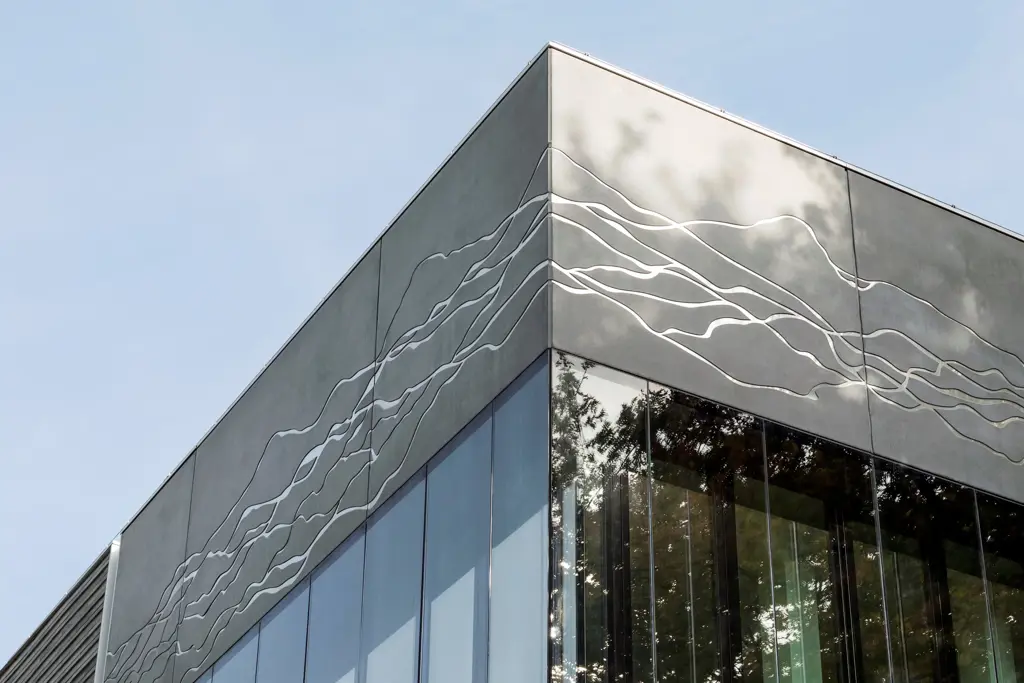

Werk ook slimmer met Galleo
Galleo brengt projectdata, kennis en AI samen in één veilige, schaalbare oplossing. Toonaangevende bedrijven zoals ABT, DWA, CLAFIS en Witteveen+Bos kiezen al voor Galleo. Sluit je aan.
Neem contact op met Barbara of Kars
We werken zelf in de gebouwde omgeving en adviseren je graag, met praktijkervaring en vakkennis, over wat het beste werkt voor jouw organisatie.
Neem contact op